The following is the first in a seven part series on investor pyschology and how to avoid falling into traps that negatively affect your outcomes
Envy is incredibly destructive. It might not be the deadliest but there is nothing good that can come from it. Most vices offer at least a fleeting pleasure. Envy provides none. It is a purely negative state, turning another person’s success into a personal source of misery. The problem is not wanting what someone else has, but an inability to tolerate the fact that they have it. In investment, this internal torment acts as a catalyst for ruin.
The greatest damage occurs when envy causes investors to abandon what they know best. Successful investing depends on understanding your own strengths and sticking to a process that suits your temperament. Envy undermines that discipline. Watching others make easy money in an area you do not understand creates an unbearable sense of being left behind. Investors abandon sensible strategies and rush into fashionable assets at exactly the wrong time. They no longer act on analysis but on the emotional need to relieve the torture of comparison.
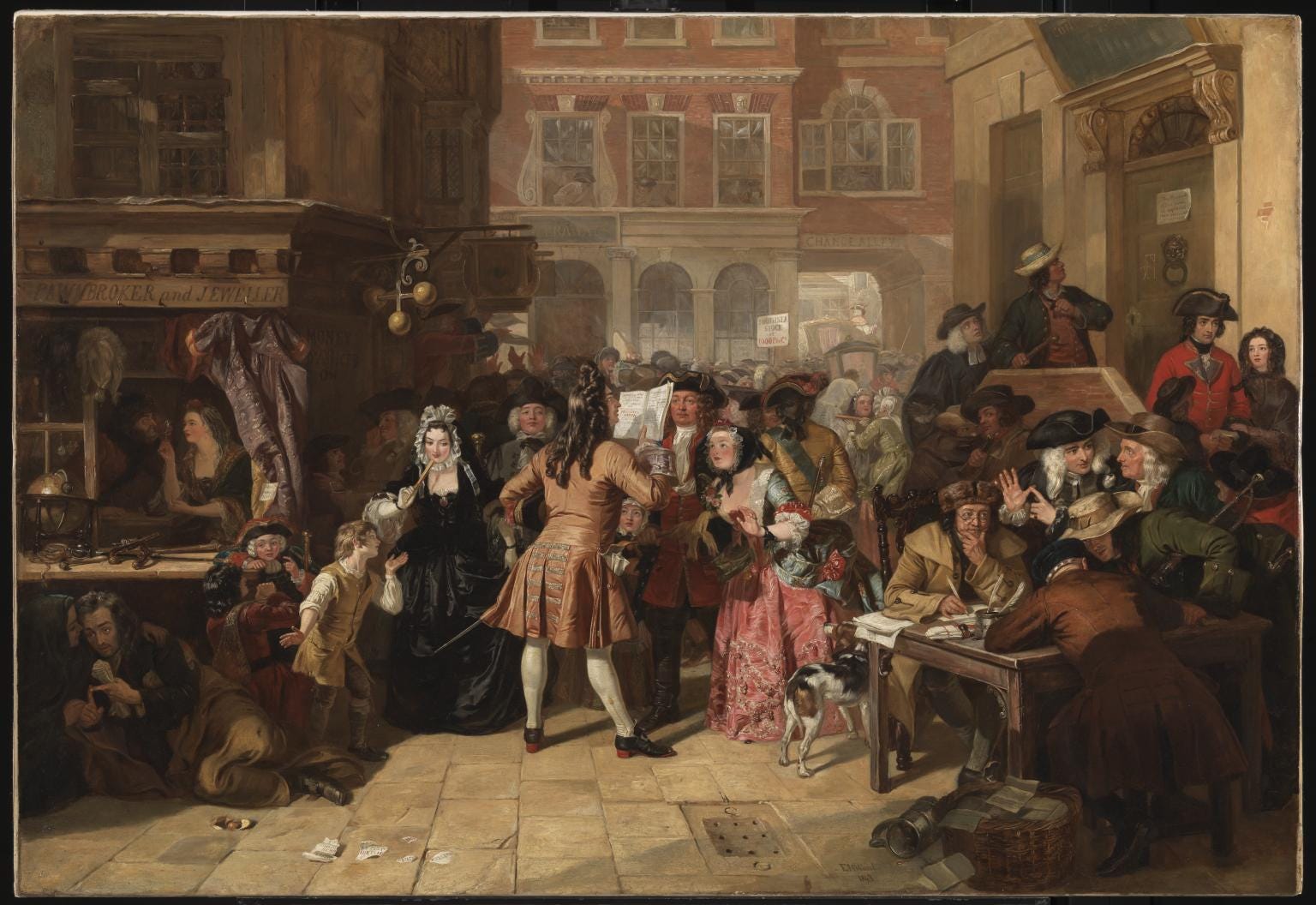
Even the brightest minds are vulnerable to this trap. Sir Isaac Newton’s experience during the South Sea Bubble shows this at its most destructive. Newton initially handled the investment perfectly. He bought shares, made a profit of around £7,000, and sold. But he then had to sit on the sidelines and watch friends, neighbours, and acquaintances grow richer by the day. The agony of the contrast broke his resolve. Newton bought back into the market near the peak of the mania, investing a much larger sum than before. When the bubble burst, he lost around £20,000 - a colossal amount that runs to many millions in 2026 money. His famous comment that he ‘could calculate the motions of the heavenly bodies but not the madness of people’ is usually interpreted as a criticism of the crowd. The reality is simpler. Newton’s real failure was not an inability to comprehend the market, but a total failure to understand himself. He underestimated the power that envy exercised over his judgment.
Stanley Druckenmiller’s experience during the dot-com bubble followed a similar pattern. He knew technology stocks had become dangerously overvalued and believed many of the prices made little sense. Yet as other fund managers continued to generate spectacular returns, he found it increasingly difficult to stay on the sidelines. Eventually he gave in and bought heavily into the boom near its peak. Within weeks, the position cost him around $3 billion.
The crucial difference between the two men lay in how they responded afterwards. Newton remained bitter about the episode for the rest of his life, refusing even to hear the words ‘South Sea’ spoken in his presence. Druckenmiller took the opposite approach. He openly admitted that emotion had driven his decision-making, accepted responsibility for the mistake, and returned to his core investment process. By confronting the error honestly, he possessed the maturity to recover and continue compounding wealth for decades.
The virtue that counters envy is charity. This does not mean forcing oneself to cheer for a competitor. It means an alignment with reality. The charitable investor accepts the market exactly as it unfolds, understanding that a neighbour’s windfall is an entirely irrelevant their own success. When others profit from a speculative boom, they feel no compulsion to follow them. They remain focused on their own process, their own research, and their own goals. By doing so, they protect not only their capital but also their peace of mind.
Some advice. Try to be happy for others and practive gratitude for what you have.